Colloquially termed ‘cotton wool disease’, fungal infections are a common ailment in freshwater and cold water populations of captive fish. The nickname given to this group of diseases is perfectly apt with fungal lesions often appearing white and fluffy in texture closely resembling that of cotton wool. The fluffy strands seen in such lesions are branching filamentous projections called hyphae, collectively known as mycelium. Lesions can be found on the fins, gills and can grow to cover the entirety of the fish if left untreated. When removed from the water, these fluffy lesions collapse to form condensed patches of slime. Over time, lesions can change colour from white to green or brown depending on sediment uptake by the fungal filaments or algal growth on mycelium.
Stress can come in many forms for fish; overcrowding, poor water quality, poor nutrition
Although easy to recognise, very few cotton wool lesions are actually truly fungal in origin. In the vast majority of cases lesions are a result of water moulds, Oomycetes, a distinct class of ‘fungal like’ organisms, sometimes known as oomycetous fungi. Oomycetes are closer in relation to algae than they are fungi but are very similar clinically and in appearance. True fungal infections are surprisingly uncommon in fish. Thankfully given the similarities in treatment and prognosis, it’s often not necessary to chase a definitive diagnosis into whether an infection is a true fungal infection or not.
There are 4 orders to the Oomycete class, 3 of which contain species pathogenic to fish, Saprolegniales, Leptomitales and Peronosporales. Saprolegnia is one of the most important species with regards to fish health as it is the most frequently identified. Saprolegniasis is often what aquarists refer to when talking about fungal disease. For this reason and for the purposes of this article, the term ‘fungal infection’ will refer to both fungi and water moulds, unless stated otherwise.
Despite the name, water moulds are not just isolated to aquatic environments. Species of Oomycetes are found ubiquitously throughout soil and water worldwide and interestingly, the majority of species are found terrestrially (on land). Their abundant nature forms a very important treatment consideration; that it is impossible to get rid of Oomycetes from the aquatic environment. Instead, disease management is centred around prevention through good hygiene and husbandry and if necessary, direct treatment of the patient affected.
Oomycetous fungi and true fungi are saprophytic (feed on dead or decaying organic material) but they are also referred to as ‘opportunists’ or secondary infections which will take advantage of damaged or immunocompromised fish. Wounds, such as those inflicted by a heron attack or a bacterial ulcer, expose the fish to infection by physically breaching the protective barrier of the skin. In addition to this, dead and necrotic tissue found in wounds forms a perfect growth substrate for many species of oomycetous fungi including Saprolegnia, Achlya and Aphanomyces. It is thought Saprolegnia parasitica is one of a few species of oomycetous fungi that is parasitic to fish, acting as a primary pathogen, colonising the skin without the need for an initiating cause.
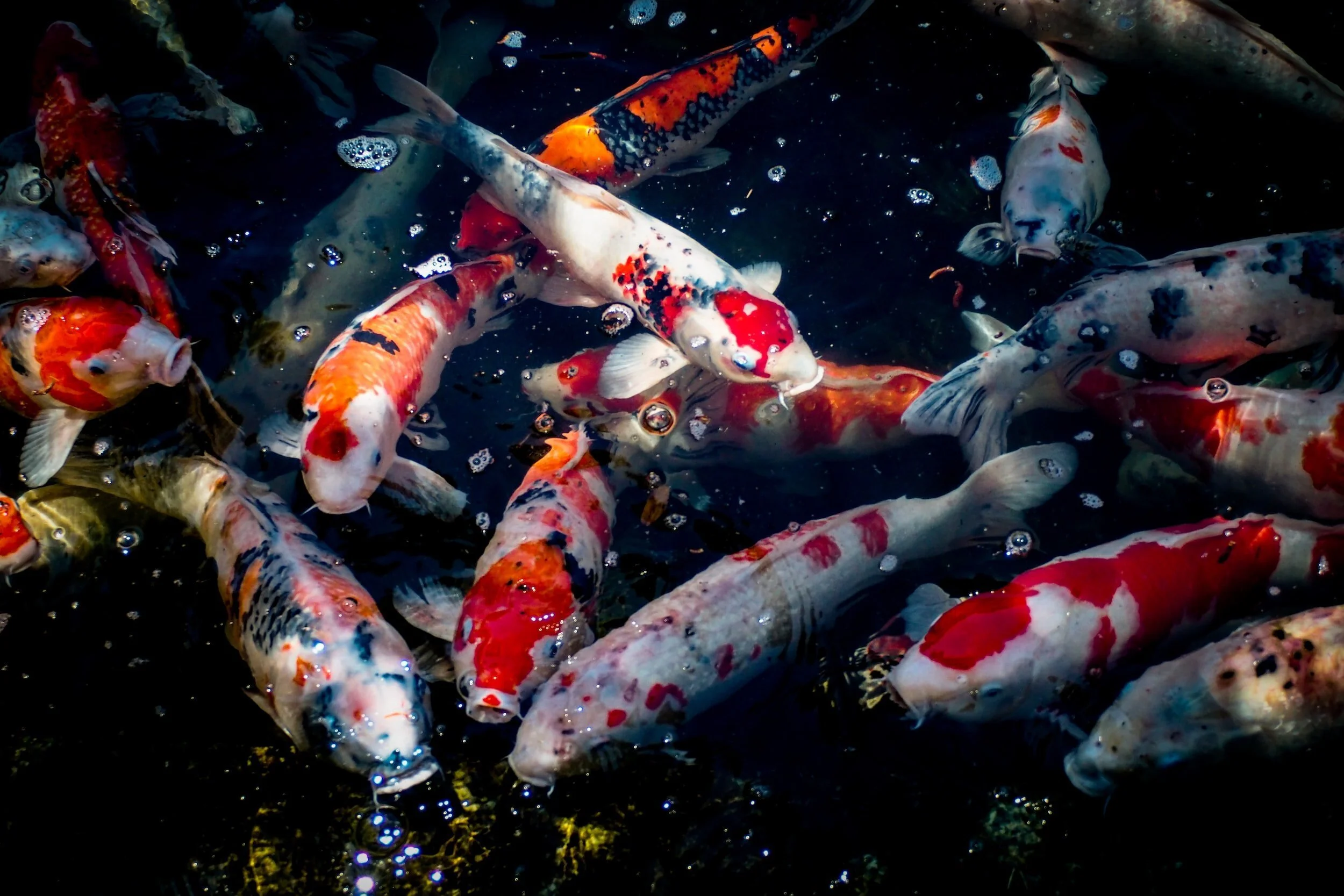
The immune system of a fish can become compromised for a number of reasons and stress is one of the most influential causes behind the appearance of fungal infections. Stress can come in many forms for fish; overcrowding, poor water quality, poor nutrition etc. Following such stressful episodes, the stress hormone cortisol increases in concentration in the bloodstream. Cortisol is not only associated with immunosuppression but it regulates the growth of the epidermis (outer layer of the skin). At high levels of circulating cortisol, the epidermis becomes disrupted and damaged, rendering the fish susceptible to infection.
Oomycetous fungi are often referred to as ‘Winter Kill’ as they are typically more prevalent during the colder months of the year or following sudden drops in temperature. The link between colder temperatures and increased incidence is due to a combination of factors; reduction of immune function at colder temperatures and an increased activity of Oomycetes at colder temperatures. This is particularly useful to be aware of if you are overwintering koi or goldfish in outdoor ponds, as temperatures under 15 degrees Celsius or following cold fronts can cause an increase in incidences.
The severity of disease is directly proportional to the percentage of body surface covered. Prompt recognition and treatment are key to improving survival chances. Fungal infections cause disease and ultimately death by disrupting osmoregulatory control and the loss of electrolytes and serum proteins through damaged skin. Penetration of hyphae through layers of skin is possible due the production of enzymes and epidermal cell death creating gaps which provides opportunities for hyphal growth and expansion. In some cases, infections are able to penetrate further into deeper muscle groups and internal organs but this is fairly uncommon. Smaller fish such as tetras and guppies are at higher risk of developing deeper and systemic fungal infections.
Branchiomyces spp, the causative organisms behind the disease Branchiomycosis are thought to belong to the Saprolegniales order, although their exact classification is uncertain. The prefix ‘branchio’ is used in nomenclature to describe diseases affecting the gills. Branchiomycosis, commonly known as gill rot, affects koi and other cold water fish worldwide. Clinical signs include mottled, pale and necrotising gills. Severe respiratory distress results in gasping at the water surface and gathering by inlets. Interestingly, this disease if more common at warmer temperatures than colder temperatures and is frequently associated with high organic loads. What makes this disease particularly interesting, is the ability of the hyphae to penetrate and grow within the blood vessels of the fish affected. Such growth is capable of physically blocking the blood vessels and causing a fatal condition known as thrombosis.
Being saprophytic in nature, disease can be controlled by removing excess organic matter from the system through regular syphoning, ensuring no overfeeding and removing dead fish from the system as soon as possible. Clutches of eggs frequently succumb to fungal infections and are often wiped out entirely in very little time. Infertile or damaged eggs are another perfect growth medium for fungal infections, before spreading to healthy adjacent eggs. Unfortunately, nothing can be done once fungus has set in to an egg and quick removal is vital to prevent spread to neighbouring eggs. To combat this, many aquarists will preventatively treat eggs with methylene blue or malachite green. In aquaculture, salmon eggs are preventatively treated with a drug called bronopol, specifically selected for its safe use with eggs.
Once a fungal infection is present, it can be really hard to treat due to the infiltrative growth of hyphae into the tissues. Malachite green is generally considered the most efficacious chemical to use against fungal infections but comes surrounded by cautions, for example it’s toxic effect when used with scaleless fish, tetras, catfish and others. Other chemicals shown to be effective include, potassium permanganate, methylene blue and copper sulphate. Although designed to be administered as prolonged immersions or bath treatments, topical debridement with potassium permanganate to remove dead tissue and superficial hyphae can be also useful. Prolonged immersion in salt water is another viable treatment option for inhibiting the growth of fungal infections due to its lethal effect on reproductive spores. Prevention really is the key to fighting fungal infections, whereby excellent husbandry and hygiene and the prevention of stressful episodes are at the forefront.