
Bacterial Ulcers in Koi
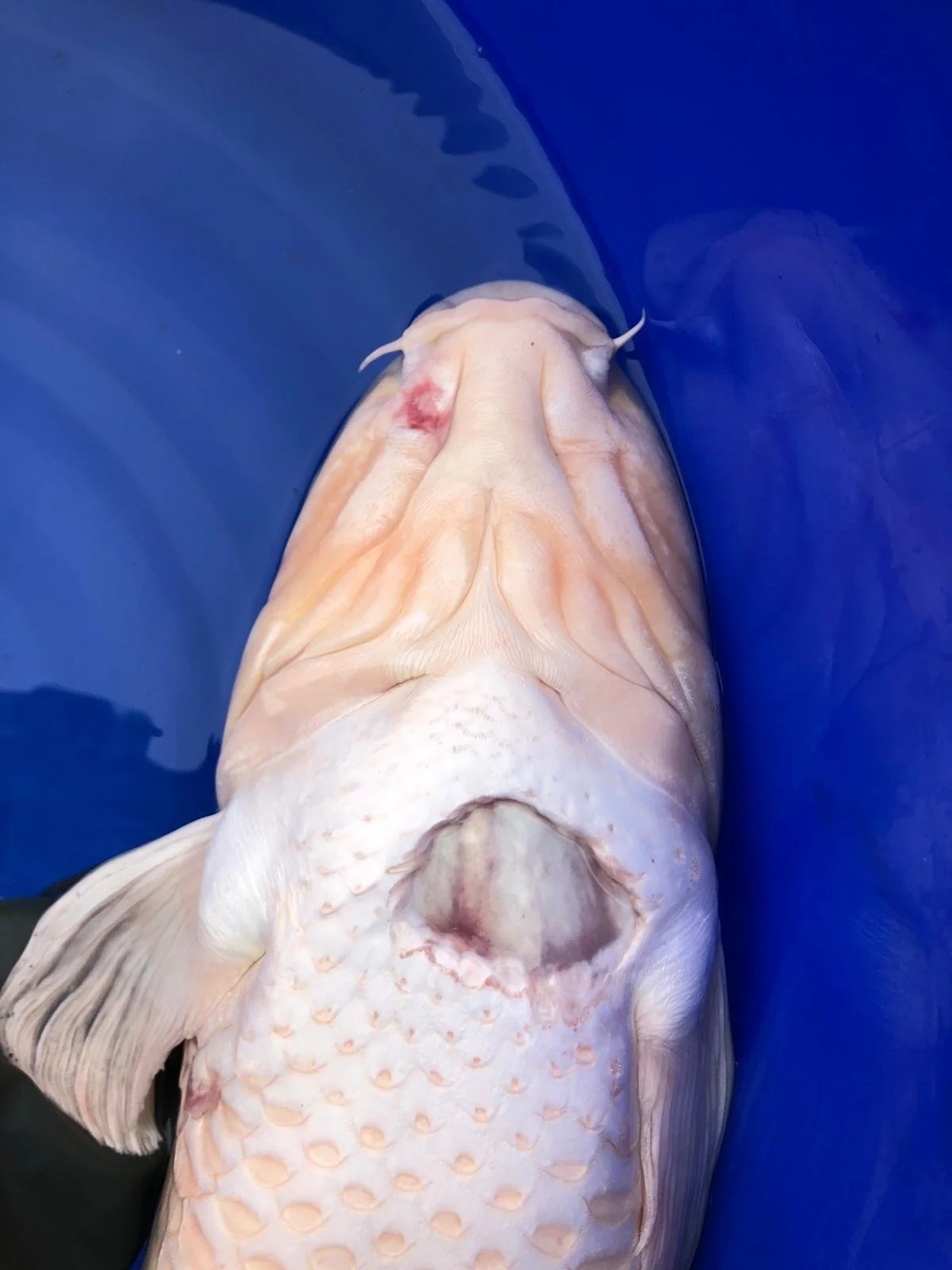
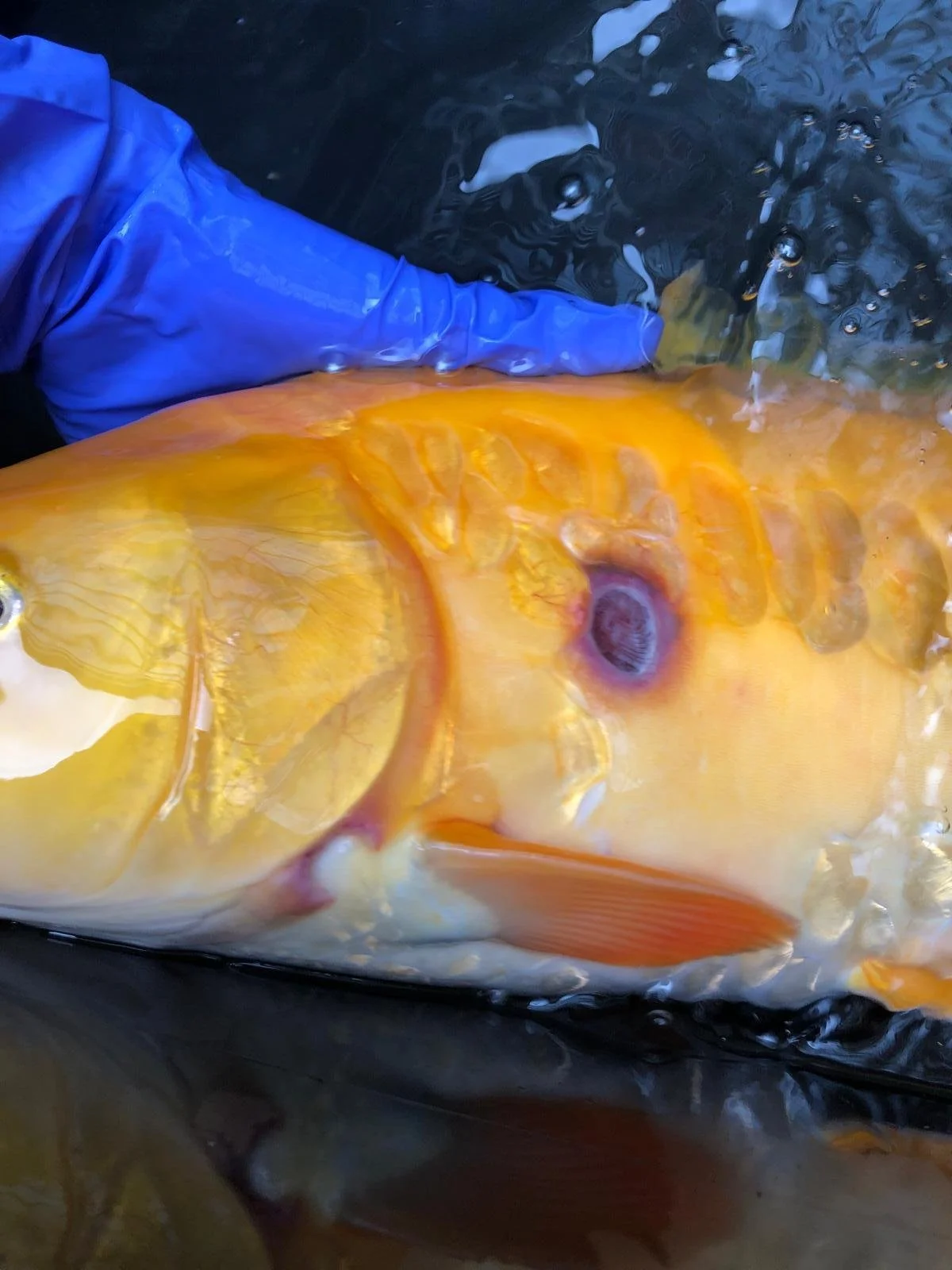
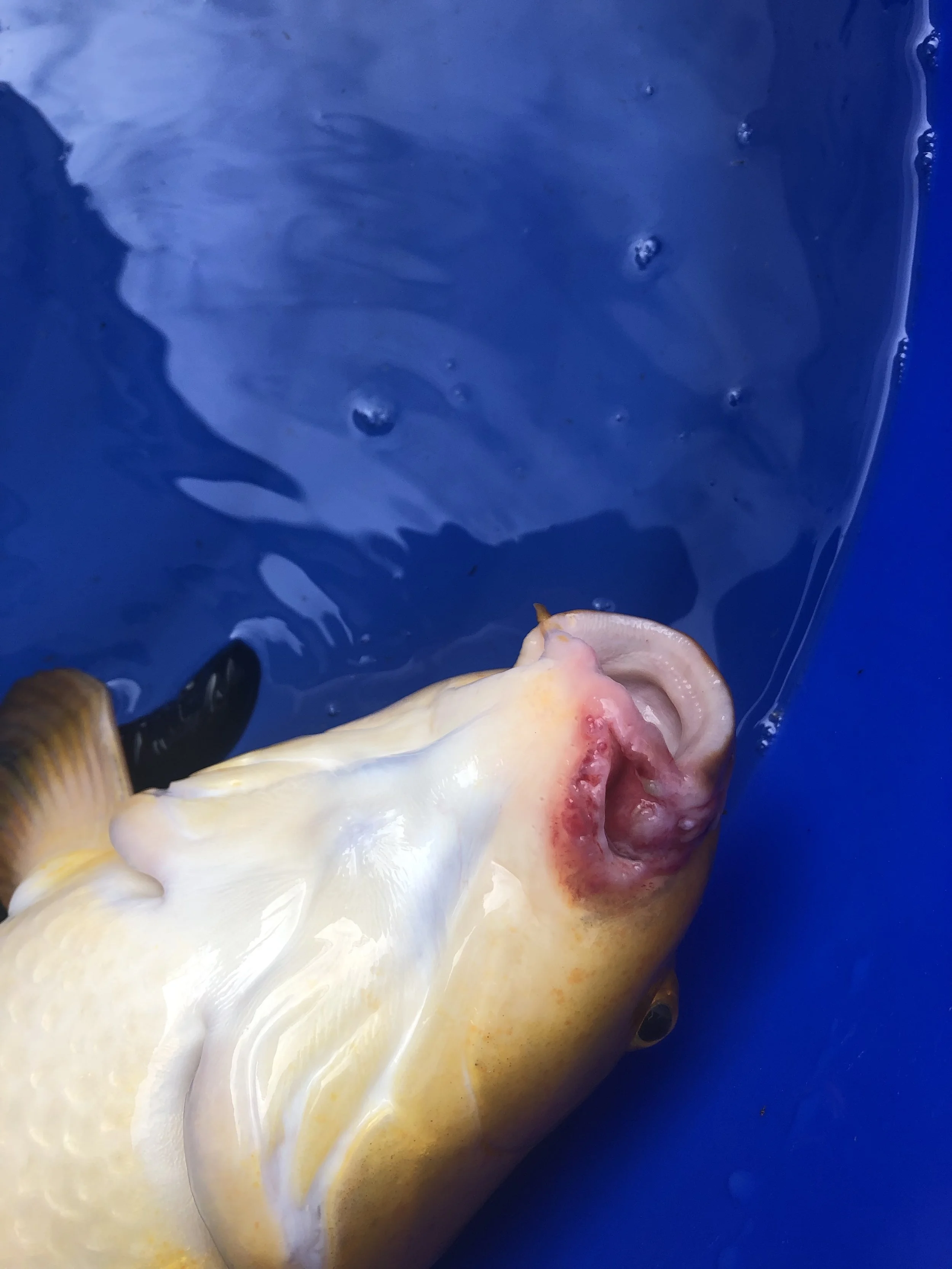
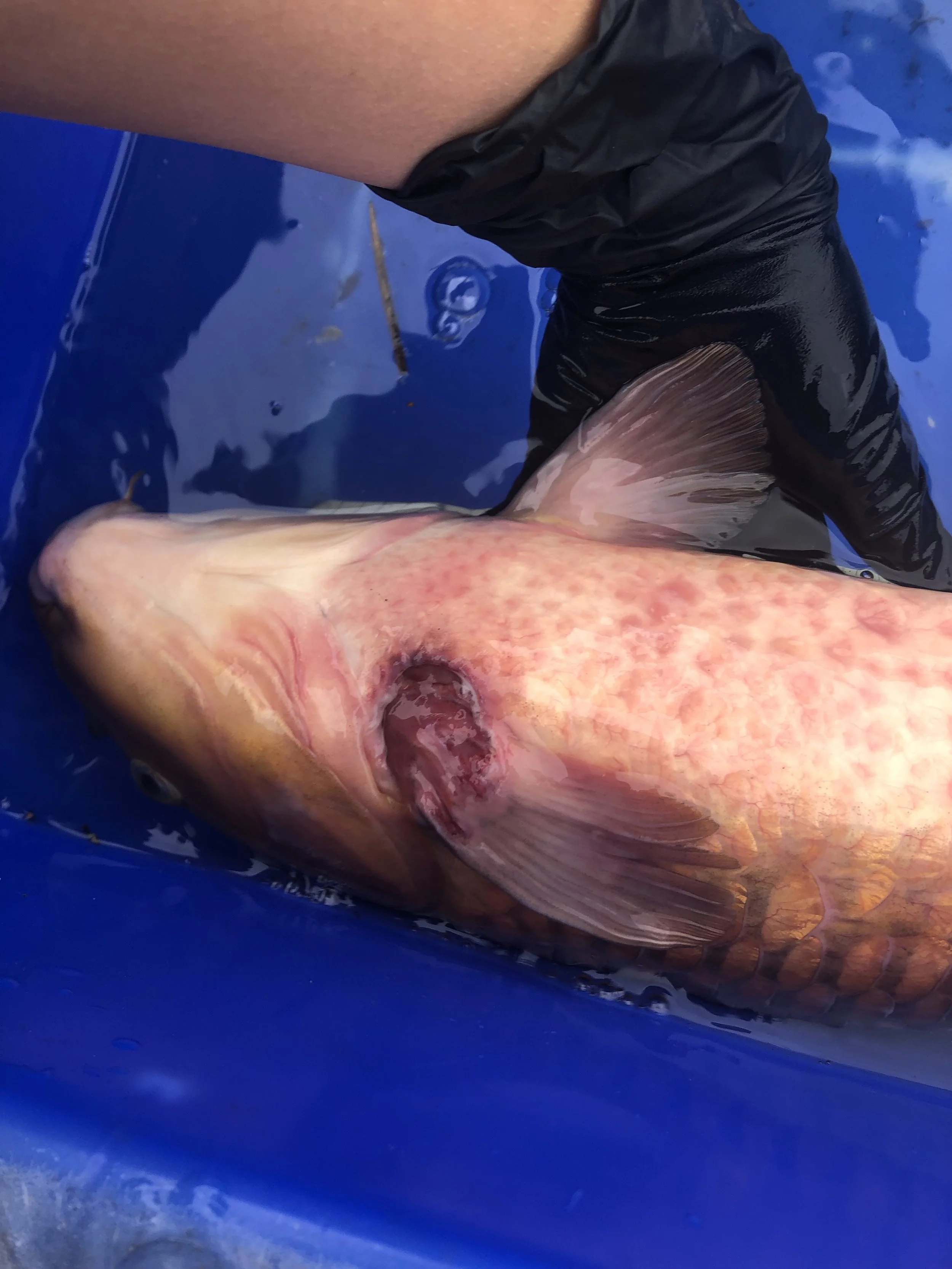
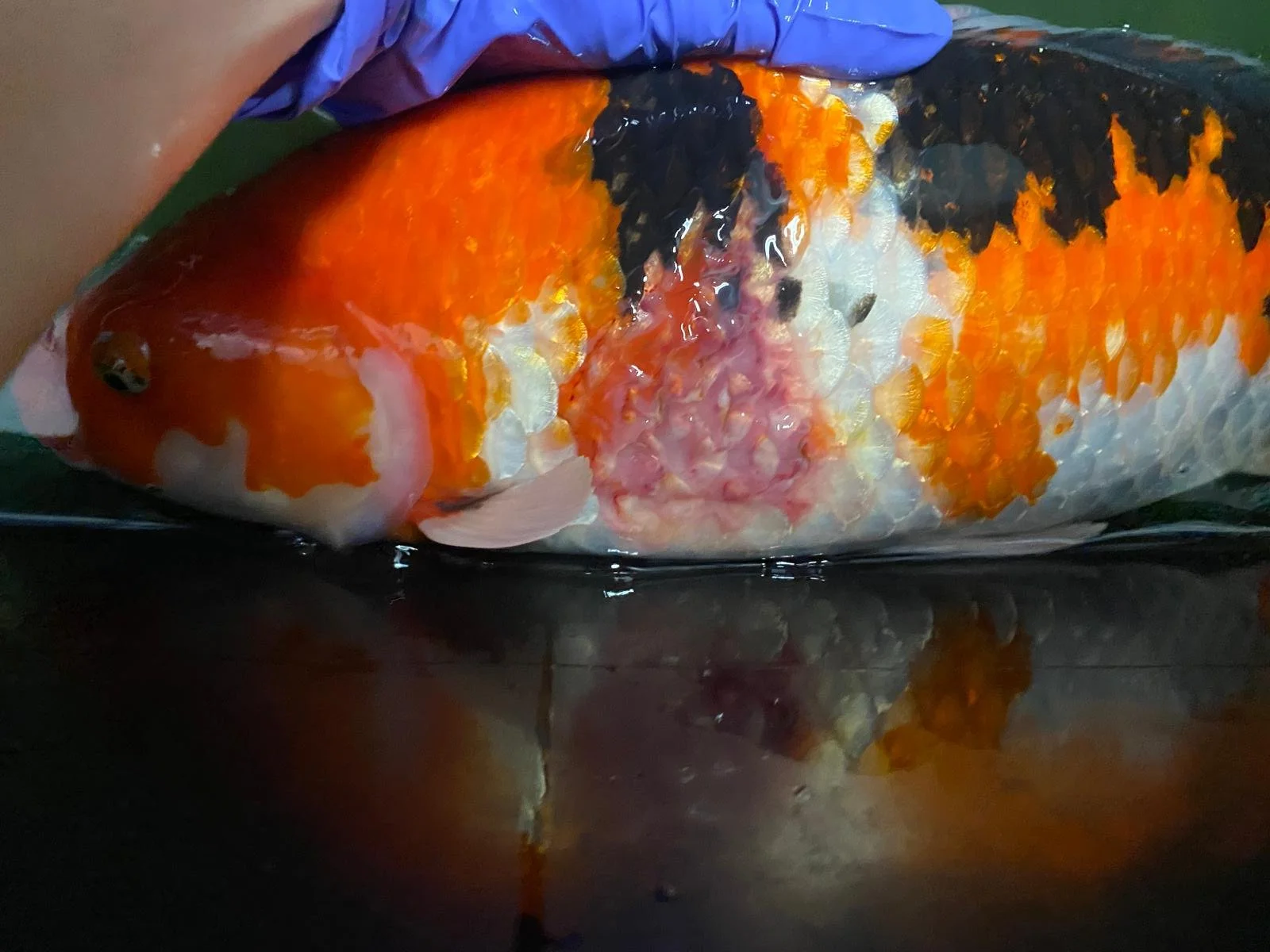
Bacterial ulcerative infections in Koi make up the bread and butter of cases seen at London Aquatic Veterinary Services.
Bacterial ulcer infections are one of the most common and significant health problems affecting koi, often developing when stress, poor water quality, or underlying disease compromises the fish’s natural defenses. These infections typically present as reddened areas, open sores, or tissue loss and can progress rapidly if not addressed promptly.
At London Aquatic Veterinary Services, bacterial ulcer disease is the most frequent condition we manage in koi, giving us extensive hands-on experience with both mild and advanced cases. We support koi keepers through thorough health assessments, water quality evaluation, diagnostic testing, and tailored treatment plans that may include topical therapies, systemic medication where appropriate, and clear husbandry recommendations. Our goal is not only to treat the visible ulcers, but also to identify and correct the underlying factors contributing to the disease, helping to restore fish health and prevent future outbreaks.
What to Expect
The length of time required to successfully treat bacterial ulcer infections in koi is highly variable and depends on a range of factors, including the severity of disease, treatments that have already been attempted, and the underlying cause of the disease such as water quality issues or concurrent health problems. While some cases may respond quickly to early intervention, many ulcer infections are well established by the time veterinary help is sought out. As a result, effective resolution often requires multiple visits, ongoing monitoring, and adjustments to the treatment plan as healing progresses.
This staged approach allows infections to be addressed thoroughly rather than superficially, improving long-term outcomes and reducing the risk of recurrence.
In most cases antibiotics are required to help clear the active infection. This will be discussed in depth during the consultation and prescribed at the time of the visit where appropriate.
Several diagnostic tests may be offered during the consultation to aid diagnosis, these include;
-
Bacterial pond water analysis looks at the total bacterial count (TBC) to quantify how much bacteria is present in the pond water sample. High bacterial counts are a common cause of ulcers and associated with treatment failures.
-
Pond water is sampled for 30+ macro and micro elements including heavy metals. Heavy metals such as copper and zinc are often identified in ponds and can reduce the immune system of the fish, rendering them susceptible to disease.
-
Swabs collected from ulcers or kidney or spleen tissue (post mortem) will identify the bacteria present in the tissue. More importantly, this test will tell us exactly what antibiotic that bacteria will respond best to.
Prices
Pond Fish Health Check
£145/hour (1 hour min) + mileage +/- medications.
Criteria: Any pond containing koi or sturgeon
Average consult Length: 2 hours
Mileage is charged at 0.55p/mile from W13 or CM3 both ways. Congestion zone and Dartford crossing charges will be applied to all relevant visits.
Visits located over 1 hours drive from W13 or CM3 will be subject to minimum time spends. Please enquire for details.
What to Prepare
For biosecurity reasons you will need to provide your own set of nets for the consultation.
We highly recommend having a koi sock available, especially when working with large koi.
You will also need a container large enough to hold the fish for examination. Koi bowls or storage containers work well.
