
Introducing new fish to your aquarium is an enjoyable activity and provides some of the best bits of fish keeping. Unfortunately, no matter how reputable the source of the new fish is, introducing new fish will always come with a risk. Thankfully there are several ways you can reduce the risk of this happening.
Quarantine
It will come as no surprise that the most influential way to protect your fish and prevent the introduction of unwanted pathogens to your aquarium is to utilise a quarantine facility. The quarantine doesn’t need to be overly fancy but as a minimum it needs to be a completely separate system to the main aquarium with its own filtration as well as separate equipment such as nets. There can be no shared water flow between tanks.
It is advisable to keep quarantine running even when not in use. This is beneficial when fish suddenly fall sick and need to be isolated quickly. If quarantine isn’t set up and running, this will not only cause delays but you’ll have to battle water quality issues whilst you get the filtration system up and running again, which will take up to 6 weeks.
For this reason, it’s much better to continuously run quarantine facilities. You may need to keep some small fish in there permanently to keep the biofilter running effectively.
Once your new fish are introduced to quarantine, they need to spend X amount of time in quarantine before they are introduced to the main pond. The length of time a fish needs to stay in quarantine is variable and is dependent on water temperature. This is because at lower water temperatures it takes longer for disease to appear.
For water temperatures 17 degrees and above, I recommend a quarantine period of 3 weeks (minimum) and for water temperatures under 17 degrees, 4-6 weeks.
During the quarantine phase keep and treat the fish like you would in the main aquarium. Feed sparingly initially to allow them to get over the stress of transport and then gradually work this up to their normal ration. Watch the fish carefully for any signs of external disease. Look at the health of the skin and the fins as well as the eating and socialising behaviours. If disease is suspected start by performing skin scrapes or reach out to London Aquatic Veterinary Services for assistance.
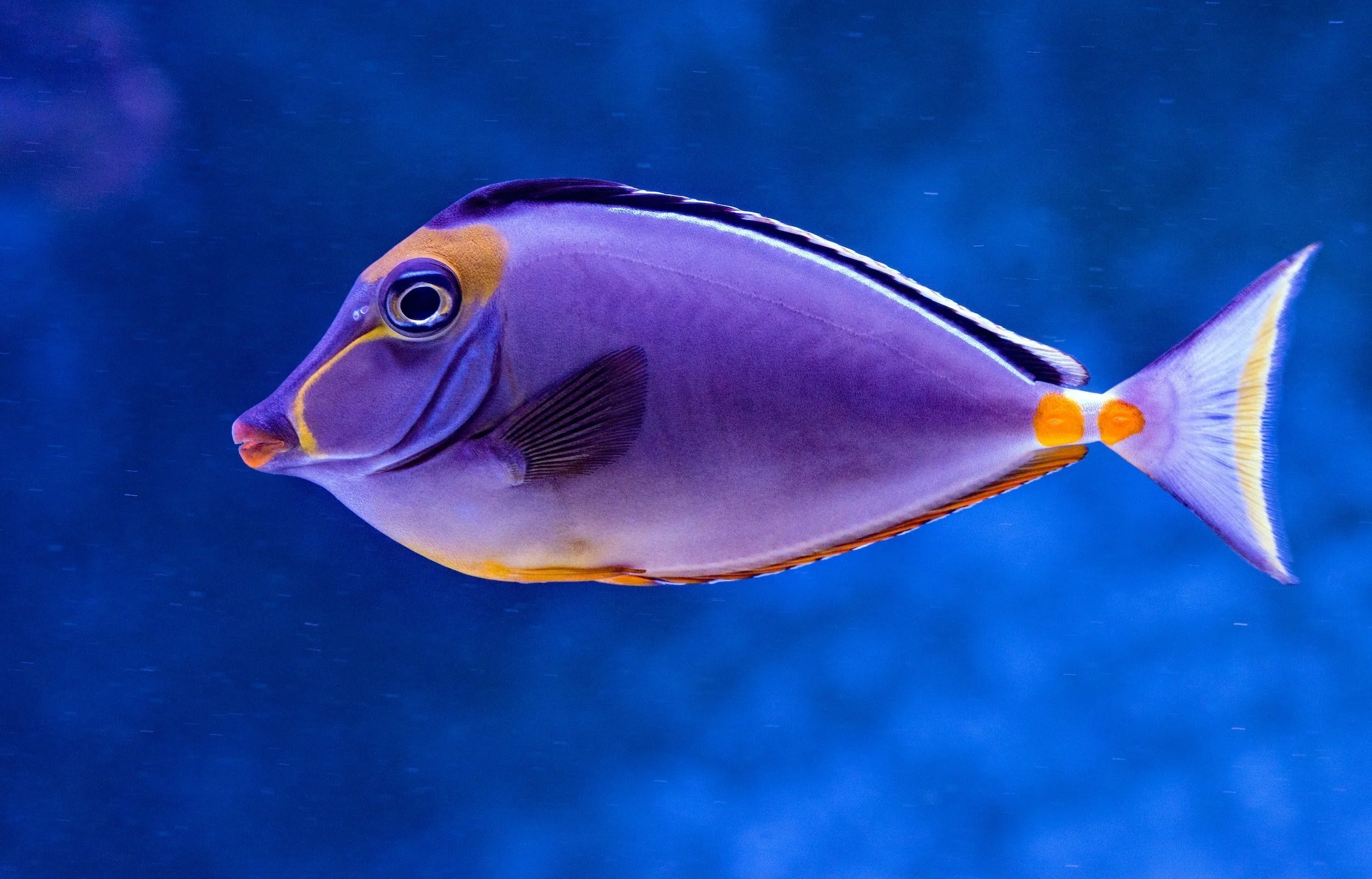
Protect your fish and prevent the introduction of unwanted pathogens to your aquarium by using a quarantine facility
Parasites & Other Pathogens
The main purpose of holding fish in quarantine is to reduce and exclude the risk of introducing disease such as parasites to fish in the main pond. The most common way parasites are introduced into aquariums is via the introduction of new fish, so by utilising a quarantine facility first, this risk can be counteracted immediately. Thankfully parasites are usually relatively easy to deal with and carry a good prognosis once diagnosed.
As there is only one parasite in fish you can see with the naked eye – Argulus foliaceus ‘Fish Louse’ you will need to scrape a selection of incoming fish for parasites using a microscope. You can do this yourself or you can enlist London Aquatic Veterinary Services to help you with this. Unfortunately, not all aquarium fish will be big enough for skin scrapes to be taken safely, so this only applies to goldfish and bigger aquarium fish.
If parasites are found on skin scrapes then you will need to treat all fish in quarantine with a suitable antiparasitic. Make sure to scrape again at the end of the treatment course to confirm whether the treatment has been a success.
For fish that are too small to scrape, observe the fish throughout the allotted quarantine period and look out for signs of parasites. Fish will often flash or flick along the bottom or sides of the tank in attempt to itch themselves. They may also increase the amount of mucous produced in the skin which is often seen as white or grey hazing and a loss of colour. Certain parasites will also produce distinctive lesions such as the fine white spots seen with White Spot Disease (Ichthyophthirius multifilis). If a parasitic infection is suspected, treat the quarantine tank with a suitable anti-parasitic. Please seek guidance from London Aquatic Veterinary Services if you are unsure on what action to take.
Other pathogens to be aware of include viral and bacterial infections. It is particularly important to allow enough time to pass in quarantine at low temperatures for these diseases to become apparent. Classic symptoms of bacterial infections to look out for include fin rot and erosion, ulceration, dropsy (protruded scales, swollen body cavity and swollen eyes).
Prophylactic Treatment
Sometimes people will opt to treat new fish prophylactically (preventative treatment, often applied without evidence of an infection being present) regardless of scrapes or clinical signs. It is not wrong to blanket treat all new batches of fish with anti-parasitic medications when they arrive in quarantine but in my opinion, it is likely unnecessary.
It is much better to confirm whether parasites are present in the first place and treat accordingly if so. It should also be considered that different parasites will require different medications and that there’s not one anti-parasitic medication that will clear all parasites.
“It is not wrong to blanket treat all new batches of fish with anti-parasitic medications when they arrive in quarantine but in my opinion, it is likely unnecessary.”
Introducing new fish
Hopefully once the allotted quarantine period has elapsed and provided the fish are
Free from external disease
Eating and behaving normally
Clear of parasites on skin scrapes
If you have a lot of fish in quarantine making the move over to the main aquarium, introduce the new fish in stages so as not to overload the biofilter with a sudden increase in bioload. You may need to leave 1-2 weeks in between batches. Test your water quality weekly and use the results to guide you on how the biofilter is coping.
It is a good idea to support the immune system of all the fish following new introductions. For tanks and aquariums, eSHa optima is an excellent vitamin and probiotic supplement, ideal for boosting the immune system.