
So although nitrates aren’t as toxic when compared to ammonia and nitrite, significant build up in nitrates can be equally detrimental to fish health.
Nitrates in the UK, particularly in and around the London area, can be tricky to manage in household aquariums as the concentration in tap water can be up to 50mg/l. For most this means you’re instantly on the back foot as when performing routine water changes as you’ll be adding to the problem.
With nitrate being the last waste product produced by the biofilter, control of nitrates rests on management outside of the biofilter itself. To recap your knowledge of the nitrogen cycle and the biofilter, read more in via our New Tank Syndrome post.
When testing nitrates, values for any aquarium should be as close to 0mg/l as possible. For tropical freshwater aquariums this is very important as some species are very sensitive to elevated nitrates so tighter control in required. For goldfish systems, you should still aim for 0 mg/l but values under 30mg/l are well tolerated. Values greater than 50mg/l and heading towards 100mg/l are dangerous and need to be addressed.
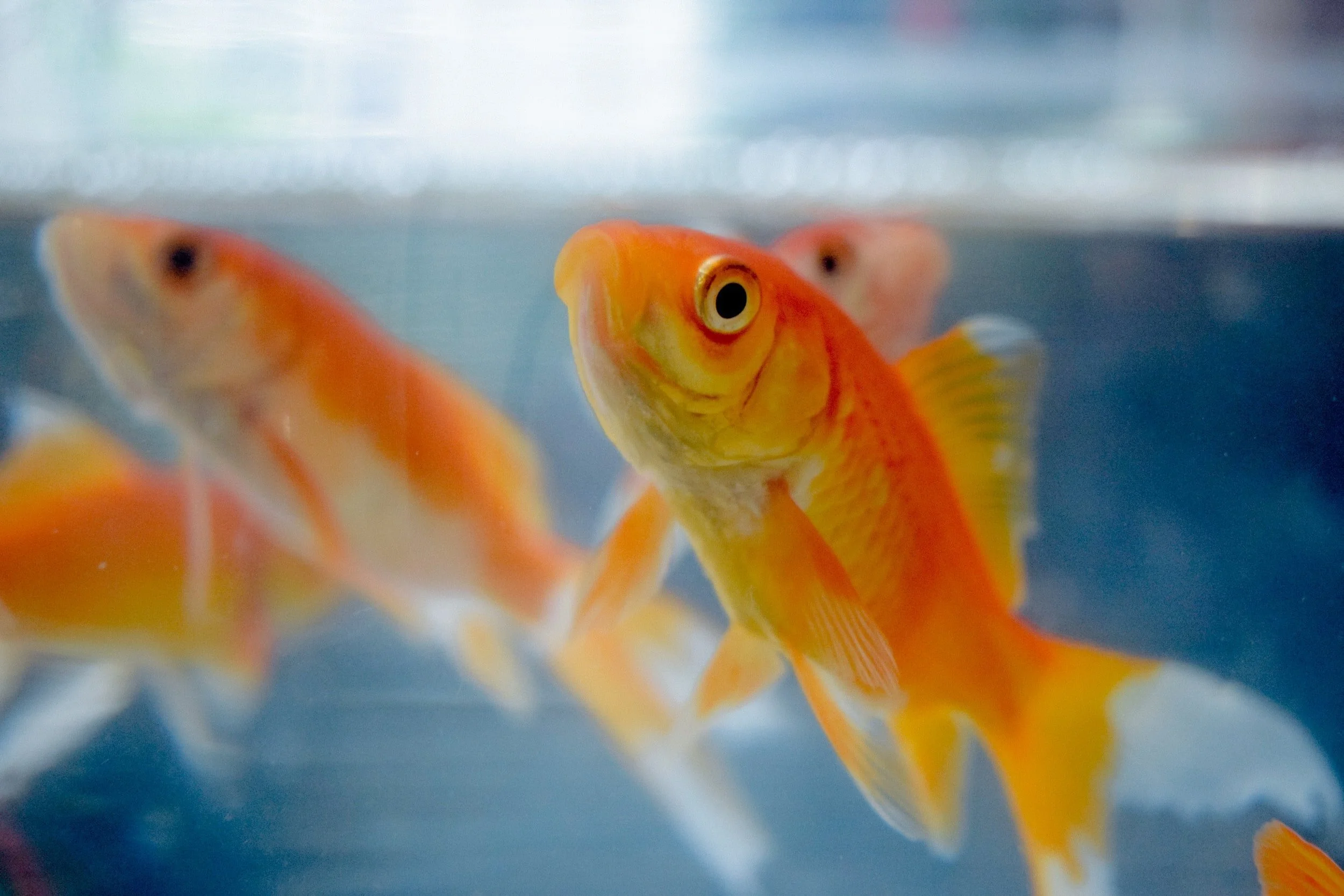
Tap water can contain nitrates up to 50mg/l. It is a good idea to measure your tap water so you know what’s coming in!
How to fix nitrate spikes in your tank or aquarium
-
As nitrates are the last product of the biofilter water changes are the most effective way to get rid of excess nitrates. Assess the routine maintenance of your tank and consider the frequency and quantity of water changes you perform. To control nitrate spikes you will need to increase one or the other, sometimes both!
-
One of the most common causes for excess nitrates is overfeeding. Consider the amount you feed your fish. Food should be consumed with 2-3 minutes of feeding out. Any food hanging around for longer than 5 minutes indicates overfeeding, so reduce the amount offered at the next feed and repeat this process until all the food is consumed within 2-3minutes in one sitting. Click here for our guide on feeding.
-
The more fish there are in a system the more waste they will produce. In some cases where water quality can’t be controlled using the steps given, it may be necessary to reduce the stocking density of the aquarium. Less fish will mean less waste and ultimately happier and healthier resident fish.
-
As mentioned, in certain areas of the country, tap water can contain >50mg/L of nitrates. Consider removing nitrates before they are added to your aquarium via the use of specialist binding agents, resins or filters. For a short term fix chemical detoxifiers such as ‘Prime’ by SeaChem will bind and detoxify nitrate along with other toxins.
-
The use of de-ionised water or reverse osmosis (RO) water can be used in household aquariums to avoid high nitrates. Some clients will choose to run 100% RO water and some choose to run 50% RO, 50% tap water. Both will reduce the amount of nitrate in the tank as RO water has none or very little nitrate concentration. The decision between how much RO water is used will ultimately depend on the species of fish kept and the water quality values recommended for that species. See our guidance on RO water here.
-
Plants utilise nitrates to grow so by increasing the number of plants in the aquarium will naturally decrease the levels of nitrates present in the water.
-
Using the same logic as the step above, aquaponic filters utilise plants to reduce nitrates in an aquarium.