
13 Rules When Medicating Your Pond
-
Estimating the volume of your pond could lead to a fatal overdose.
To calculate rectangular ponds - Width x Length x Depth.
For irregular shaped ponds consider using salt to calculate the exact volume, find out more here.
-
For both pond volume and dose calculation.
-
Sensitive fish such as Sturgeon, Orfe and Tench react negatively to many common pond medications.
-
Certain medications are not compatible with salt
-
Many chemicals will deplete oxygen levels during treatment.
-
Rule 101. Dose in the morning so you can observe the fish throughout the day. This allows you to react if an adverse reaction is seen!
-
Some medications should not be applied during warm or thundery conditions. Similarly some medications should not be added below a certain temperature.
-
Dilute medications in a bucket or watering can first then evenly mix this solution into the pond. Applying medication by jets/outflows can help evenly disperse the medication.
-
Many medications will advise you medicate the pond slowly, sometimes over an hour time period.
-
Spoiled products can cause fatalities.
-
Some medications can have adverse effects when used together.
-
Such as charcoal/carbon sponges as these will degrade medications and reduce the efficacy.
-
Know what, when and how to use it the medication appropriately.
The misuse of medications can be deadly.
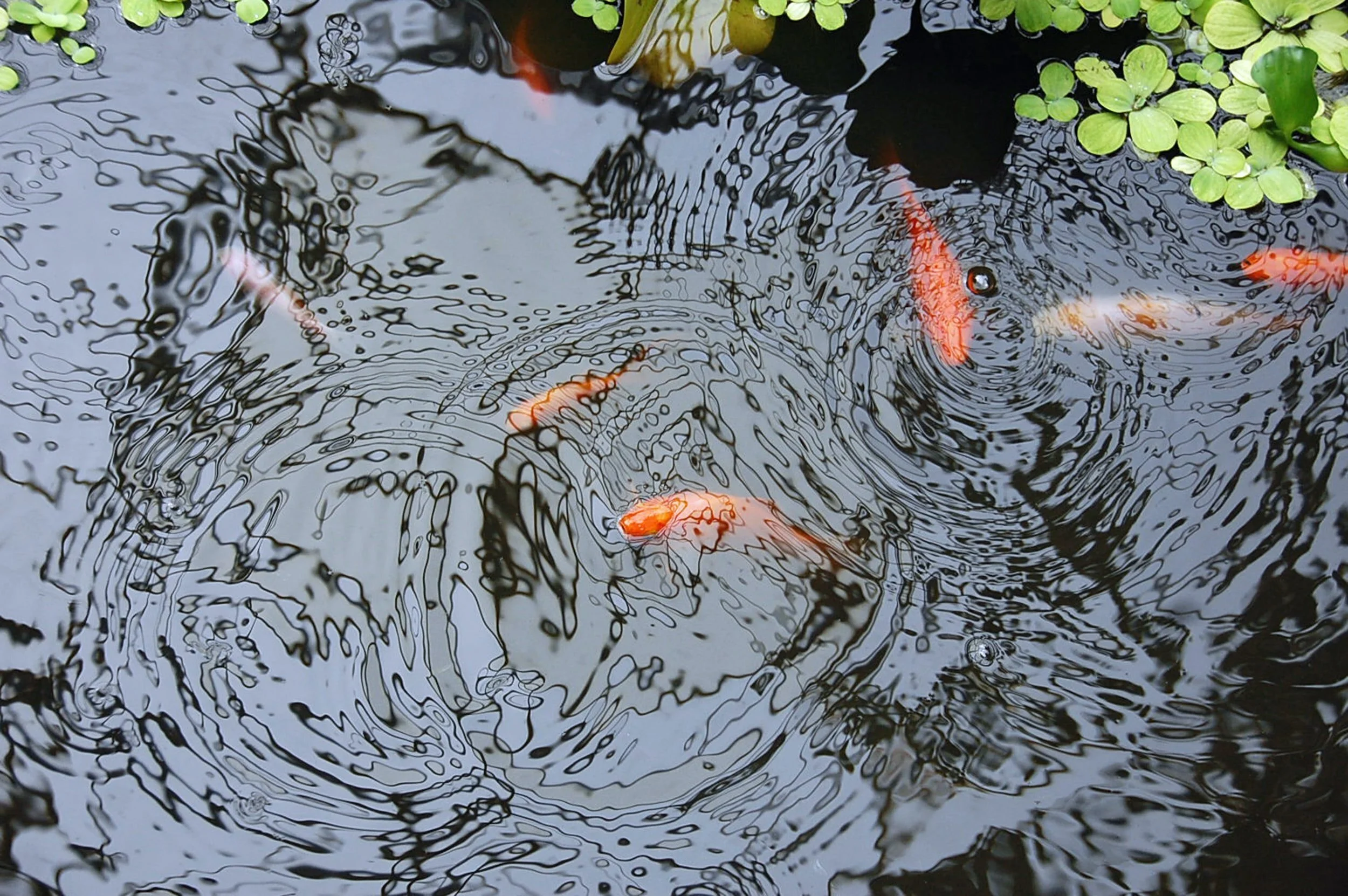
Rule 101: Dose in the morning so you can monitor the fish throughout the day.