
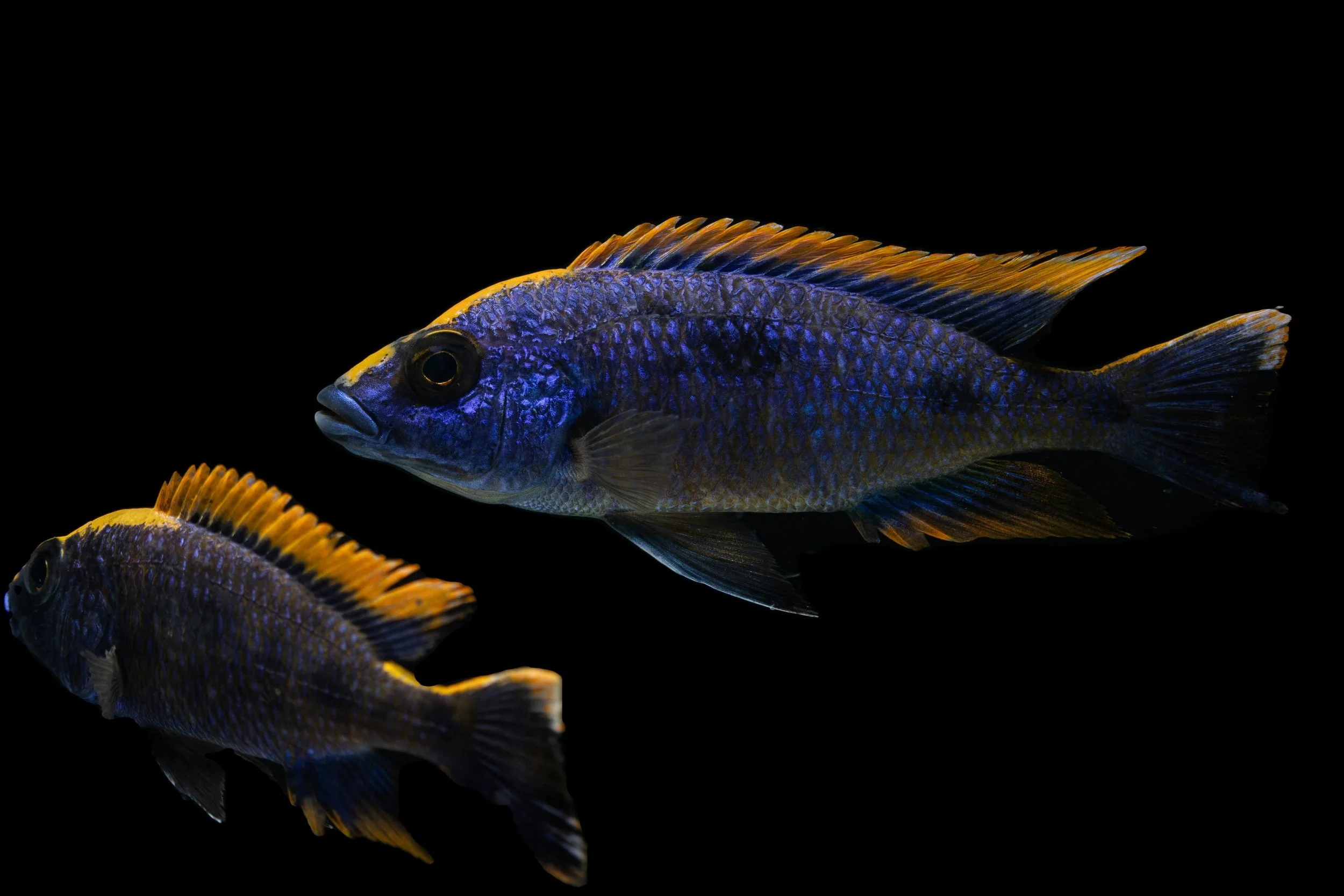
Mycobacterial disease in fish, commonly known as fish tuberculosis, is a bacterial infection caused by several species of Mycobacterium, most notably Mycobacterium marinum, M. fortuitum, and M. chelonae. The disease affects freshwater and marine fish and occurs worldwide, particularly in aquarium systems and ornamental fish facilities. Cichlid species, bettas and goldfish tend to be the most commonly diagnosed species with this disease at London Aquatic Veterinary Services.
Mycobacteria are considered ‘ubiquitous’ aquatic organisms, which means they can be found everywhere, which includes your fish tank or pond. These bacteria are naturally occurring in water, soil, and biofilms, and their presence alone is not a cause for concern.
The disease typically spreads gradually through a population rather than causing sudden outbreaks although acute onset mycobacterial infections are possible. Infected fish may show external signs such as progressive weight loss, lethargy, reduced appetite, skin ulcers, fin erosion, scale loss, spinal deformities, and bulging eyes. Internally, the disease is characterized by the formation of granulomas, nodular lesions that interfere with normal organ function. Clinical signs vary depending on the organ system effected and worsen slowly over time.
Transmission occurs through direct contact with infected fish, contaminated water, or shared equipment. The bacteria can enter through small wounds in the skin or more commonly, by ingestion of contaminated food or dead fish. Mycobacteria are particularly difficult to eliminate because they can survive for long periods in biofilms, organic debris, and tank environments, allowing the disease to persist even after infected fish are removed.
Diagnostics
Definitive diagnosis is typically made following post mortem examination and histopathology of tissues and specialist staining.
Treatment
Unfortunately, there is no treatment for mycobacterial disease in fish. Antibiotic therapy cannot clear the Mycobacterial infection but may help with secondary infections that complicate the clinical picture. Ensuring optimal water quality parameters and boosting the immune system will further support fish dealing with disease. Crucially, the removal of infected individuals for humane euthanasia is usually the best course of action to limit disease spread. In cases with high mortality or morbidity rates, it sometimes necessary to euthanise all fish in the tank, disinfect the system and start again.
The prognosis for affected fish is poor, as the disease is usually fatal over time. While early detection and treatment of secondary issues may help slow the transmission it does not provide a cure.
Prevention is the most effective management strategy. Quarantining new fish for four to six weeks, maintaining excellent water quality, avoiding overcrowding, promptly removing sick or dead fish, and disinfecting equipment between tanks are critical measures. Once mycobacterial disease becomes established in an aquarium or facility, complete eradication is extremely difficult. Since these bacteria are naturally present in most aquatic environments, the goal of management is risk reduction rather than complete elimination.
Important Note
Some species of Mycobacterium, pose a zoonotic risk to humans, which means you can catch this infection from infected fish or contaminated environments. Infections occur when bacteria enter through cuts or abrasions on the skin, leading to a condition known as ‘fish tank granuloma’ or ‘fisherman’s finger’. This typically presents with slow healing lesions or nodules on the fingers. Wearing gloves, covering open wounds, and practicing good hygiene when handling fish or cleaning tanks greatly reduces the risk. The risk is generally considered low for most people but extra care should be taken if you are immunocompromised.