
How to correct Ammonia and Nitrite spikes
-
Start with 20-30% initially, repeat daily (between 10-20%) until values have dropped. Do not change 100% of the water in one go!
-
For major spikes, stop feeding all together.
For mild spikes reducing the food ration or protein content may also be appropriate. Use water quality readings to guide you.
-
Has a pump stopped working? Is the filter inlet blocked? Is the pipework patent?
-
Does the media look normal? Is there a build-up in sludge? Have you got enough media?
If there is a build-up in sludge, rinse this in old tank water.
-
Anything capable of killing the biofilter?
Some antibiotics, antibacterial and common anti-parasitic medications have the potential to kill the biofilter.
Remove via water changes, activated carbon or bind excess medications using detoxifying/chelating agents.
-
Several liquid products are available that when added to the tank, bind and detoxify waste products like ammonia (handily they often bind nitrite, nitrates and various heavy metals).
-
Add live cultures of nitrifying bacteria to your filter or tank to enhance the nitrogen cycle.
-
Can you add another filter? Or upsize the current filter?
-
Temperature, pH, KH and nitrates will all have a negative impact on the nitrogen cycle if outside of the normal parameters.
-
Sad outcome but the best option if you aren’t able to sustain a healthy, un-polluted environment for your fish using the steps above.
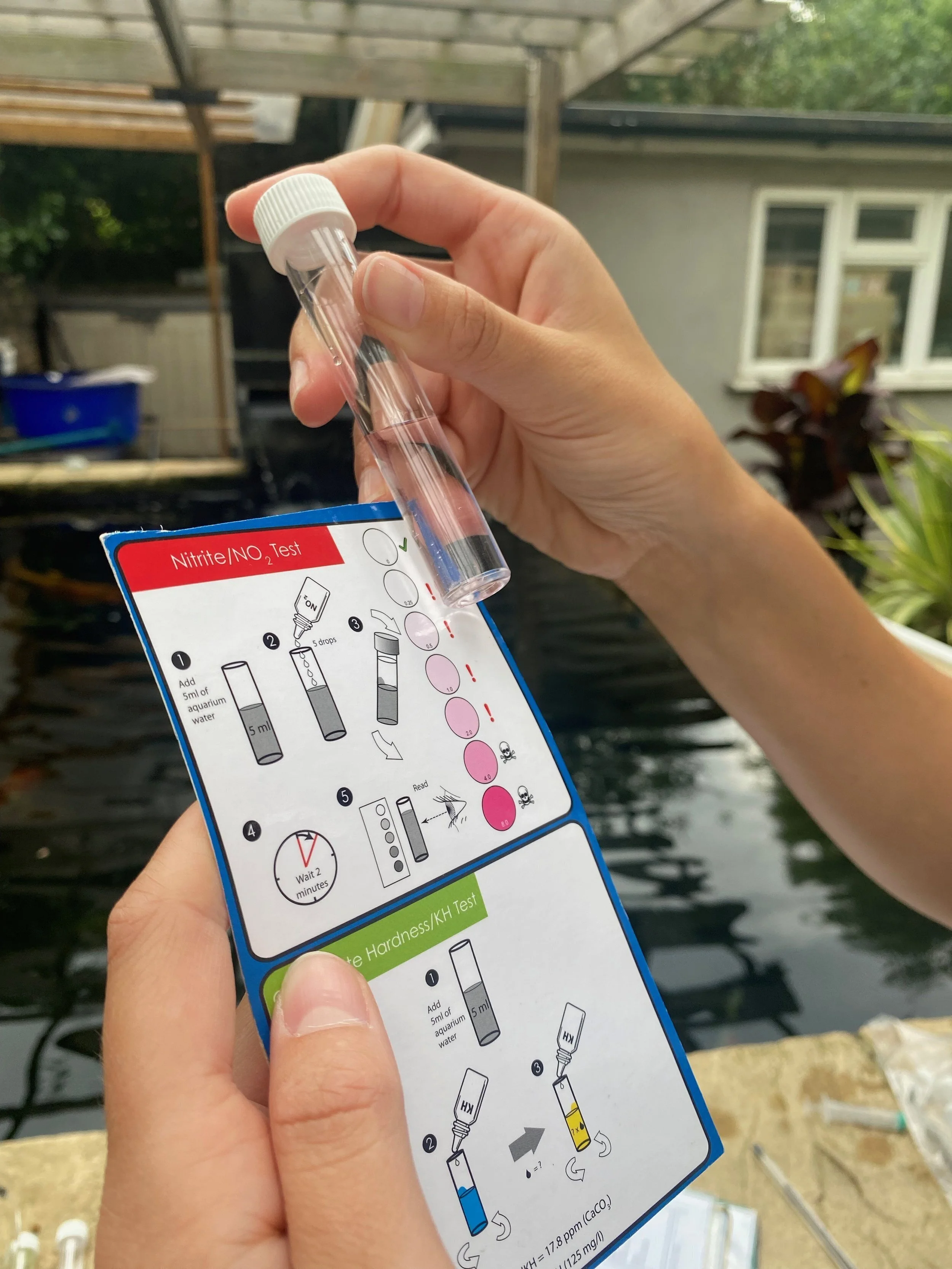
Check and correct other parameters such as temperature, pH, KH and nitrates
How to correct spikes in Nitrates
-
Nitrates are the last step in the nitrogen cycle so water changes are the most effective way to get rid of excess nitrates.
-
In certain areas of the country, tap water can contain >50mg/L of nitrates!
Consider removing nitrates before adding to your pond/tank via the use of specialist binding agents, resins or filters.
-
The use of de-ionised water or reverse osmosis (RO) water can reduce levels on nitrates entering the tank.
-
Plants utilise nitrates to grow, increasing the number of plants will decrease the levels of nitrates.
-
In the event of a big spike in nitrates, start with 20-30% initially, repeat daily (between 10-20%) until values have dropped.
Do not change 100% of the water in one go!
-
For major spikes, stop feeding all together. For mild spikes reducing the food ration may also be appropriate. Use water quality readings to guide you.
-
The higher the protein content in the food, the more waste will be produced.
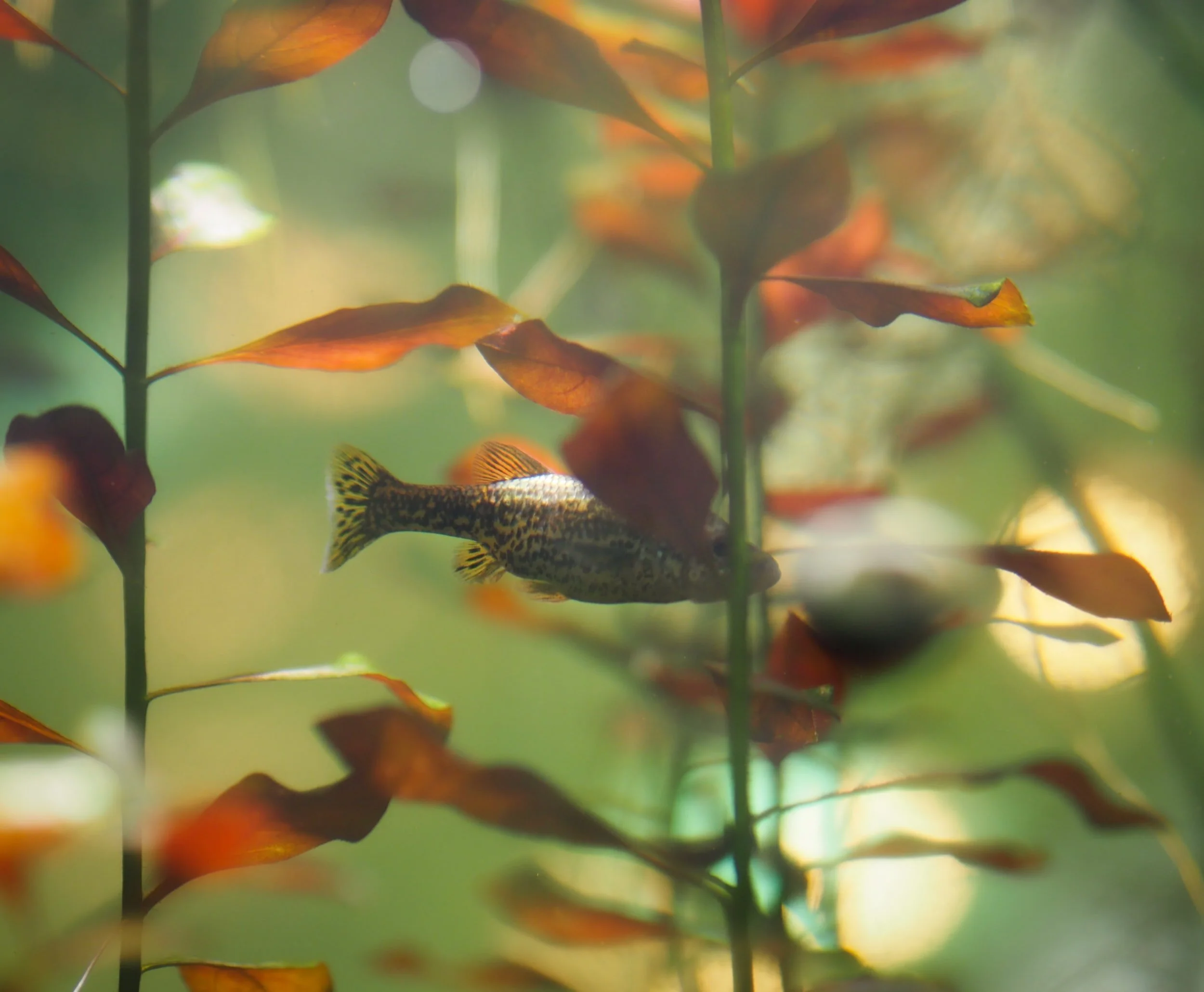
Plants utilise nitrates to grow, increasing the number of plants will decrease the levels of nitrates.